Art exhibitions in Rome cluster around a few large venues and independent galleries, and the first decision is the closing date: several major shows run into February 2027, while others close in November 2026.
This guide sorts the city’s venues by what they suit. For a running list, see current art exhibitions in rome, and for shows still to open, upcoming art exhibitions in rome.
Choosing where to start
Five checks settle most itineraries: how long a show has left, what kind of venue suits the visitor, how the ticket works, what else sits nearby and which day the venue opens. Working through them in that order usually shrinks the shortlist to a few names.
- Time left on the run. A show with a close date this month needs a firm slot in the diary. A show that runs into the following spring can wait for a quieter day.
- Type of venue. Large institutions such as the Scuderie del Quirinale are renowned for major exhibitions celebrating influential figures in Italian and international art history. Contemporary museums such as MAXXI and Macro suit visitors interested in living artists and architecture. Commercial galleries suit a shorter, more focused visit.
- Ticket mechanics. Some exhibitions need a reservation, some are folded into another ticket and some are free. The guide on how to buy tickets for rome exhibitions covers the booking side in detail.
- Neighbouring institutions. A visit works better when the anchor exhibition is paired with a nearby institution, rather than stacked with several unrelated stops.
- Day of the week. Opening days differ between venues, so rome museums open on monday is the page to check before planning a Monday outing.
The closing dates in the verified listings give a practical starting order.
The pairing advice comes from VisitArt, which says Rome rewards a selective approach: pick a single anchor exhibition, add a nearby institution, then leave enough time. That is a sound rule for anyone tempted to treat Rome as a checklist.
Any listing, including this one, is a snapshot. VisitArt describes its summer 2026 page as a frozen seasonal record, with live status and newly added exhibitions kept in its current directories. Before booking, confirm dates on the venue’s own exhibition page.
Major exhibition venues
Rome’s large temporary exhibitions concentrate in a handful of large institutions. The shows listed at these venues each centre on a single named artist, which makes them easy to plan around and also means the choice is often a choice between artists as much as between buildings.
Palazzo delle Esposizioni
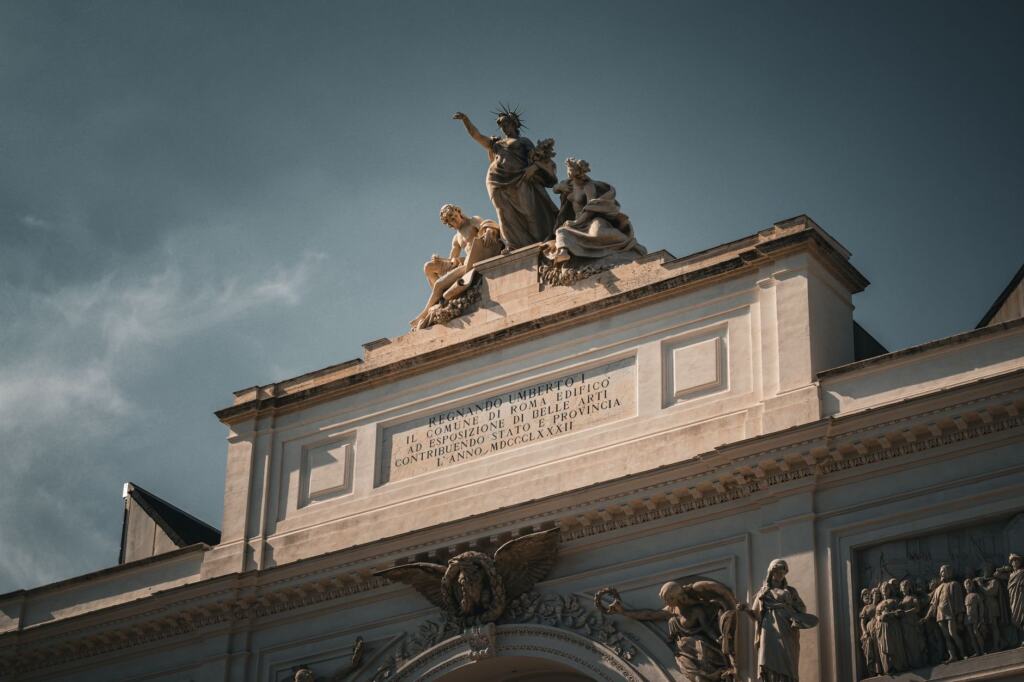
The Palazzo delle Esposizioni is described by FH Hotel Group as hosting major exhibitions of art, photography and design, alongside a diverse programme of multidisciplinary events. The breadth is the point. A visitor who has not settled on one medium can often find something on the programme, and the format changes from show to show.
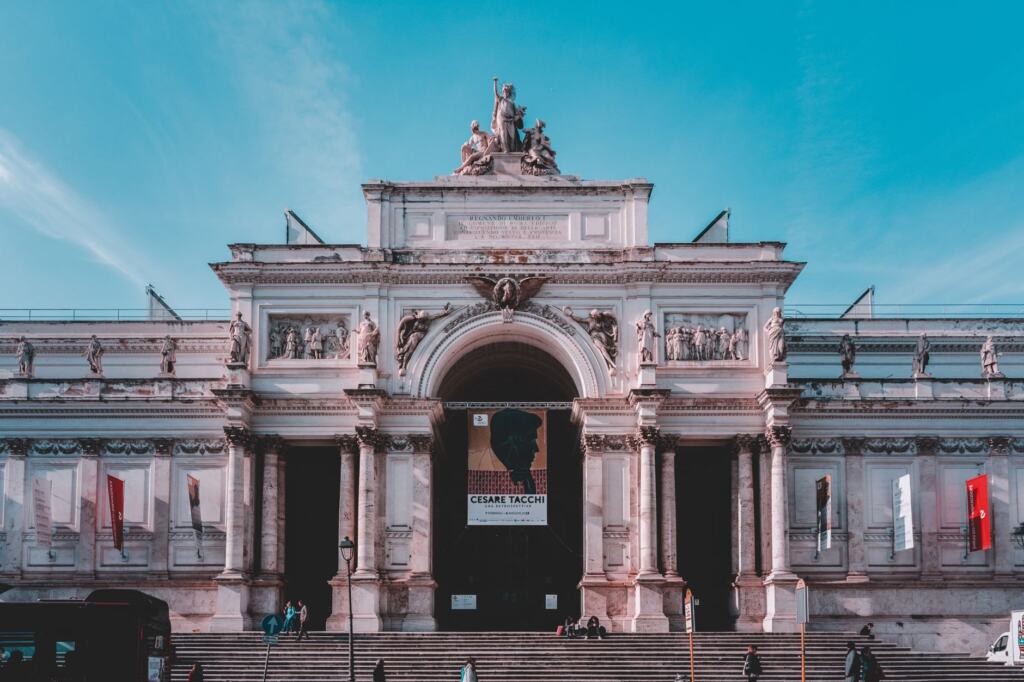
That mix suits a visit with a broad interest, while a visitor with a fixed interest in one painter or one architectural subject may be better served by a venue with a single-artist show. The venue’s own programme is the right place to read current titles and times. The dedicated page on palazzo delle esposizioni rome exhibitions goes deeper into what to expect there.
Scuderie del Quirinale
The Scuderie del Quirinale is the venue to choose for a painter-centred retrospective. Museos lists its Pontormo exhibition, devoted to the Renaissance and Mannerist painter Jacopo Pontormo, from 8 October 2026 to 7 February 2027. A run of that length suits visitors who cannot travel until winter, and it removes the pressure to rush.
The Scuderie’s Pontormo show and the Kandinsky show at Palazzo Bonaparte both focus on one named painter, so the decision between them comes down to the artist and the closing date. Pontormo closes on 7 February 2027 and Kandinsky on 14 February 2027. The venue’s pattern of exhibitions on major figures is covered in the scuderie del quirinale exhibitions guide.
Palazzo Bonaparte
Palazzo Bonaparte is showing Kandinsky until 14 February 2027, according to the same Museos listing. That puts it in the group of shows that stay open well into the new year. A visit before Christmas is therefore not necessary, and a January or early February trip remains possible.
Museo di Roma
Museos also lists Keith Haring at the Museo di Roma from 6 October 2026 to 11 April 2027, the longest run among the major shows in that listing. Its end date falls in April, after the February closings of the Pontormo, Calle and Kandinsky shows. For a visitor planning around spring, it is the most likely of these venues to still have a major show on.
Contemporary art museums
The contemporary venues in the verified listings show a different spread of dates. MAXXI has three shows with firm dates, while Macro and the Galleria Nazionale each have one, and their closing dates cluster in November 2026. The contemporary art museums in rome list compares them side by side.
MAXXI
MAXXI’s exhibitions page currently lists three titles with firm dates. Vitalità dell’architettura italiana runs from 29 May to 15 November 2026 and covers Italian architecture from 1946 to 2026. Shirin Neshat’s Do U Dare! runs from 13 November 2026 to 10 January 2027. Sophie Calle’s Matrimoni, Rotture e Funerali inclusi runs from 16 October 2026 to 7 February 2027.
The overlap is useful. The final days of the architecture show coincide with the opening of Neshat’s exhibition, and Calle’s show spans both, so a visit in mid-November can take in a mix of architecture and artist-led work. A visitor with limited time who cares more about architecture than art should prioritise the architecture show, because it closes first. The maxxi rome exhibitions guide covers the museum visit itself.
Macro
The Macro museum is showing Miriam Cahn’s What Looks at Me until 15 November 2026, according to Museos. That is the same closing date as the MAXXI architecture exhibition.
Galleria Nazionale d’Arte Moderna
The Galleria Nazionale d’Arte Moderna e Contemporanea is hosting Luigi & Iango. Corpi speciali until 29 November 2026, as noted by FH Hotel Group. It closes later than the Macro and MAXXI architecture shows but sooner than the winter exhibitions, so it belongs in a November plan. For the building and its permanent displays, see the galleria nazionale d’arte moderna roma guide.
Independent galleries and commercial spaces
The museums set the headlines, but Rome’s gallery scene deserves equal weight when the goal is a focused visit rather than a full day of looking. A single gallery is easier to fit into an afternoon than a large institution, and it can be added to a museum visit without changing the plan for the day.
Gagosian Rome shows the value of reading the gallery’s own pages. Its archive, filtered to Rome, records the Francesca Woodman exhibition as extended through 12 September 2026.
A few habits suit this part of the city:
- Follow the venue directly. Gallery programmes and extensions appear on the gallery’s own pages, as the Gagosian example shows, so confirm dates there before committing to a visit.
- Treat gallery visits as short stops. A commercial space is easier to slot in beside a larger museum than to build a whole day around.
- Use a ranked list for choosing. The page on best art galleries in rome groups spaces by what they show, which helps when several options fit the same afternoon.
Art that sits outside any gallery is a separate pursuit. Street art in rome is covered on its own page and makes a different kind of stop beside a gallery visit.
Tickets, free entry and included exhibitions
Prices and opening hours change by venue and by show, so the venue’s own page is the place to check them for any given exhibition. The verified listings show three different arrangements, and each one changes how a visit is planned.
- Included in another ticket. The exhibition at the Colosseum is included in the standard Colosseum admission ticket, so no separate exhibition fee applies for that one.
- Free admission. The colossal statue of Constantine, displayed in the garden of Villa Caffarelli, is listed with free admission until 31 December 2026 in the same Museos listing. It is the clearest free option among the shows in this guide.
- Standalone exhibition tickets. Most large temporary shows in museums and palaces sell their own tickets, and these should be bought through the venue.
Advance booking is the practical point to watch. FH Hotel Group notes that many exhibitions require advance tickets, so an online reservation is the safer route for the headline shows in the sections above. A visitor who arrives without one may find that a popular slot is no longer available.
Free exhibitions are a distinct category, with their own planning logic, and the list of free art exhibitions in rome keeps track of them. A free outdoor display such as the Villa Caffarelli garden suits a day when the plan is flexible and the budget is tight, and it does not need to be booked in the same way as a ticketed palace show.
Exhibition formats and what they ask of a visit
The format of an exhibition decides how much time it needs, and the venues above differ in what they present. Matching format to the time available avoids the common mistake of treating every show as the same commitment.
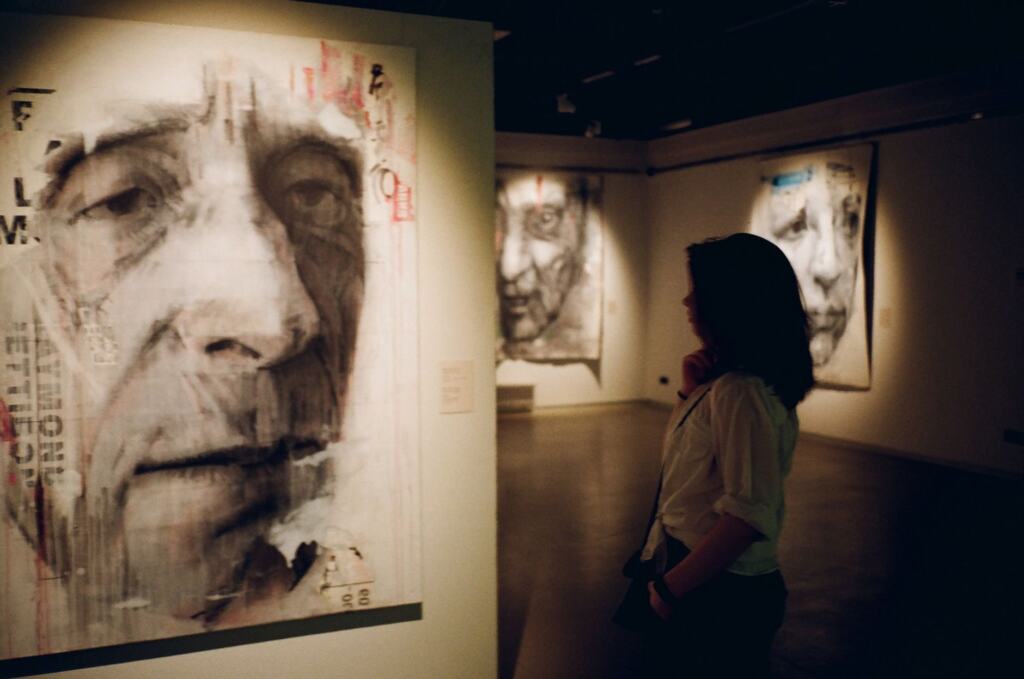
- Painter retrospectives. Pontormo at the Scuderie and Kandinsky at Palazzo Bonaparte are built around a single painter and reward a slow pace, with enough time to move between works rather than pass through them.
- Contemporary solo presentations. Calle, Neshat and Cahn each have a show built around one artist in the listings, so the visit is about one practice rather than a survey. Wall text and placards can carry part of the meaning, as the MAXXI section above suggests.
- Architecture surveys. The MAXXI show on Italian architecture from 1946 to 2026 follows a national story rather than an individual, which suits visitors interested in design as much as art.
- Multidisciplinary programmes. The Palazzo delle Esposizioni combines art, photography and design in one building, so a single visit can cross media.
- Outdoor and garden displays. The Villa Caffarelli statue is set in a garden, which makes it a better choice for dry weather. On a wet day, the page on rainy day art things to do in rome lists indoor options.
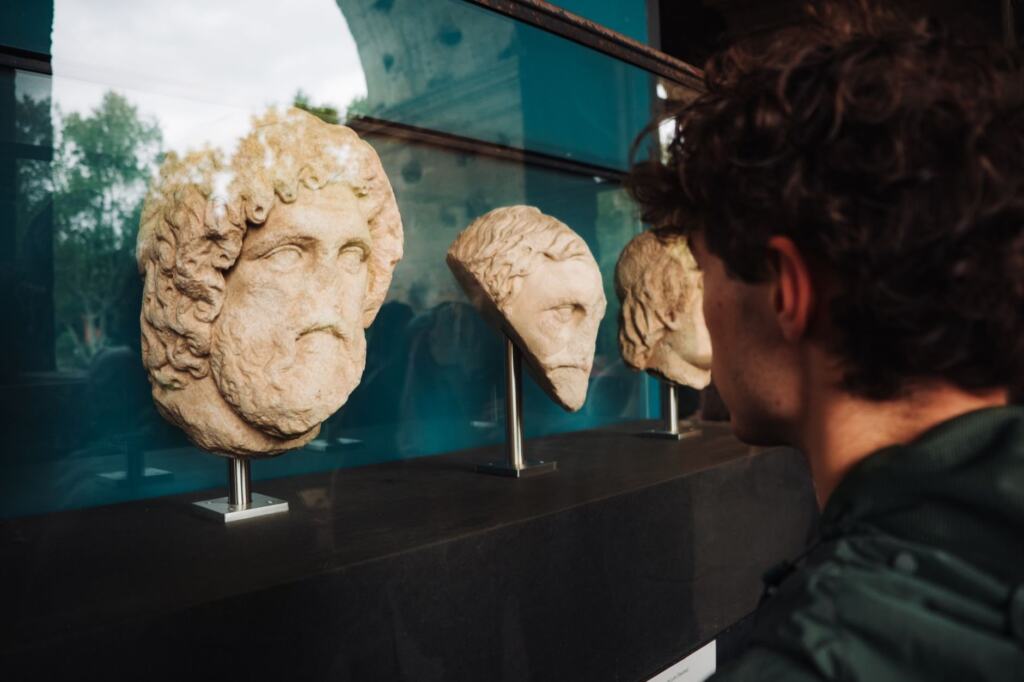
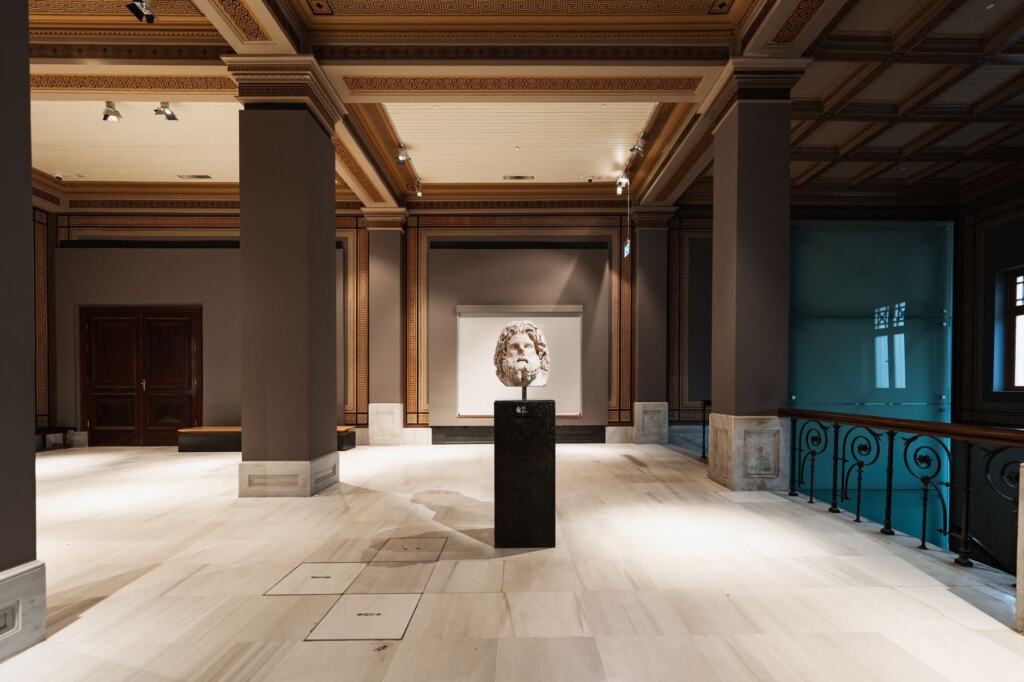
Sculpture-led shows ask for a different kind of attention. Objects on plinths and in cases reward a slow circuit of the room, and a visitor who likes to read each label should allow more time than for a short walk-through of paintings.
Timing a visit and pairing venues
The best time to see exhibitions in Rome depends on which shows matter most. Autumn is a dense opening season: Museos lists Keith Haring opening on 6 October 2026 and Pontormo on 8 October 2026, while the MAXXI programme adds Calle on 16 October 2026 and Neshat on 13 November 2026. Several of these run to February 2027 or later, so late autumn and winter are well served.
Practical rules follow from those dates:
- Visit the November closers first. The MAXXI architecture show and the Macro exhibition end on 15 November 2026, and the Galleria Nazionale show ends on 29 November 2026. These cannot wait for winter.
- Leave the long runs for later. Pontormo, Calle, Kandinsky and Keith Haring all reach into 2027, which gives a flexible window for visitors arriving in the new year.
- Pair by route, not only by theme. The VisitArt advice to match an anchor exhibition with a nearby institution is easiest to follow when the second stop lies on the same route, so the day does not depend on long transfers.
A temporary show is also a good reason to add a permanent collection to the same trip. Readers who want a classic collection beside a contemporary exhibition can look at galleria borghese tickets and the vatican museums art collection guide. Those pages cover the visit logistics separately, so the plan for the temporary show is not crowded by them.
Dates at a glance
The table below gathers the dated shows from the sections above, ordered by the choice they help with.
| Venue | Exhibition | Dates | Planning use |
|---|---|---|---|
| MAXXI | Vitalità dell’architettura italiana | 29 May to 15 November 2026 | Closes first; book before mid-November |
| Macro | Miriam Cahn, What Looks at Me | Until 15 November 2026 | Shares its closing date with the MAXXI architecture show |
| Galleria Nazionale d’Arte Moderna e Contemporanea | Luigi & Iango, Corpi speciali | Until 29 November 2026 | Latest November closer; pair with a mid-month visit |
| MAXXI | Shirin Neshat, Do U Dare! | 13 November 2026 to 10 January 2027 | Opens as the architecture show ends |
| MAXXI | Sophie Calle, Matrimoni, Rotture e Funerali inclusi | 16 October 2026 to 7 February 2027 | Long window, suits a winter visit |
| Scuderie del Quirinale | Pontormo | 8 October 2026 to 7 February 2027 | Anchor show for painting-led trips |
| Palazzo Bonaparte | Kandinsky | Until 14 February 2027 | Can wait until the new year |
| Museo di Roma | Keith Haring | 6 October 2026 to 11 April 2027 | Longest run; suits spring arrivals |
| Villa Caffarelli garden | Colossal statue of Constantine | Free admission until 31 December 2026 | Free, dry-weather stop |
MAXXI dates come from the MAXXI exhibitions page, the other dates from the Museos listing of Rome exhibitions, and the Galleria Nazionale dates from FH Hotel Group; venue pages should be checked before any trip.
Frequently asked questions
Do Rome exhibitions need advance tickets?
Many do. Booking a slot online is the prudent move for blockbuster shows, since many exhibitions require advance tickets, as FH Hotel Group points out.
Is the Francesca Woodman show at Gagosian Rome still open?
Check the same archive for the current Rome shows.
Does Rome offer exhibitions beyond painting?
Yes.