Short on time in the Vatican Museums? This vatican museums art collection guide ranks the galleries: Sistine Chapel, Raphael Rooms, then the Pinacoteca. Book online and arrive early morning or early afternoon.
- See first: Michelangelo’s Sistine Chapel ceiling and the four Raphael Rooms.
- Add next: the Pinacoteca Vaticana for painting, the Gallery of Maps for a long decorated corridor, and the Pio Clementino rooms for ancient sculpture.
- Check the clock: weekday hours and the ticket-office cut-off decide how much of the list is realistic.
This route sits inside a wider look at art exhibitions in Rome, where the Vatican’s permanent collections are one option next to temporary shows.
Problem one: the Sistine Chapel ceiling
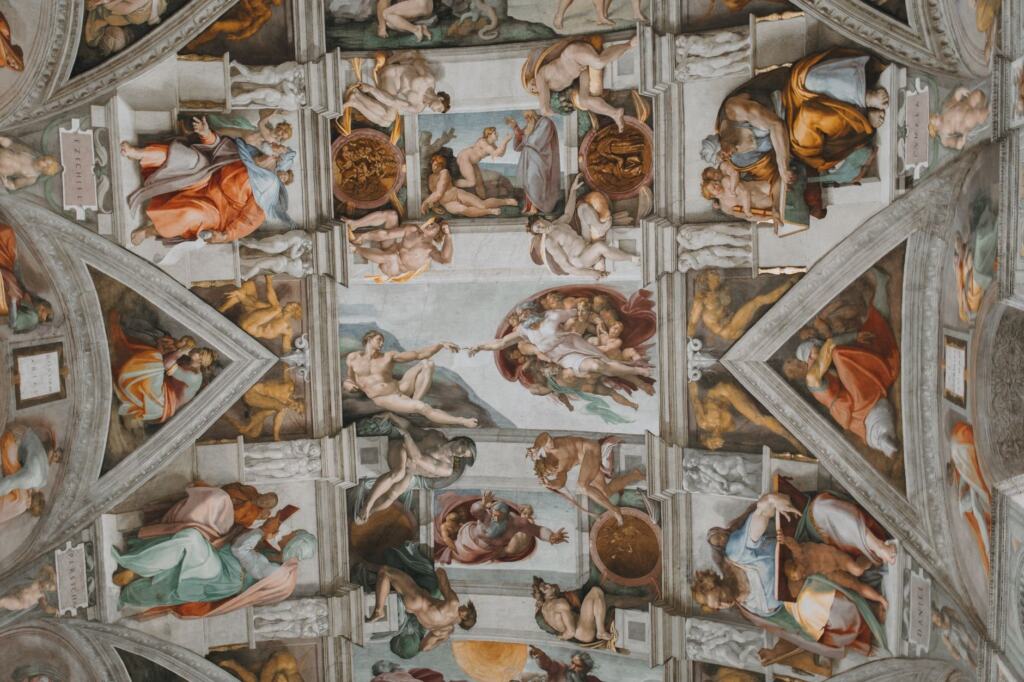
The Sistine Chapel is the single work most visitors come for, and it is famous for its ceiling painted by Michelangelo. The same article names the chapel, the Raphael Rooms and the Pinacoteca as the highlights for anyone choosing between galleries. That makes the chapel the first priority for a limited visit.
Why it ranks first
The ceiling is the clearest case of one artist’s work defining a whole room. A visitor who sees nothing else in the museums but this ceiling and the Raphael Rooms has still covered the two best-known Renaissance commissions in the complex. Everything else in this guide is a decision about what to add around them.
How to approach it
Treat the chapel as a destination to reach with attention left, not as a stop to squeeze in at the end of a tiring walk. The museums are a long sequence of galleries, so save your concentration for the ceiling and the fresco rooms rather than spending it on every corridor before them.
Problem two: understanding the Raphael Rooms
The Raphael Rooms are a suite of four rooms painted by the Renaissance artist Raphael and his workshop in the early 16th century for Pope Julius II. They form the second pillar of an art-first visit, and they reward slower looking than most galleries.
The four rooms
A visitor guide to the museums names them as the Room of Constantine, the Room of Heliodorus, the Room of the Segnatura and the Fire in the Borgo room. Knowing the names helps when signage and audio guides refer to them separately, and it confirms the count: the suite is four rooms, not a single hall.
The School of Athens
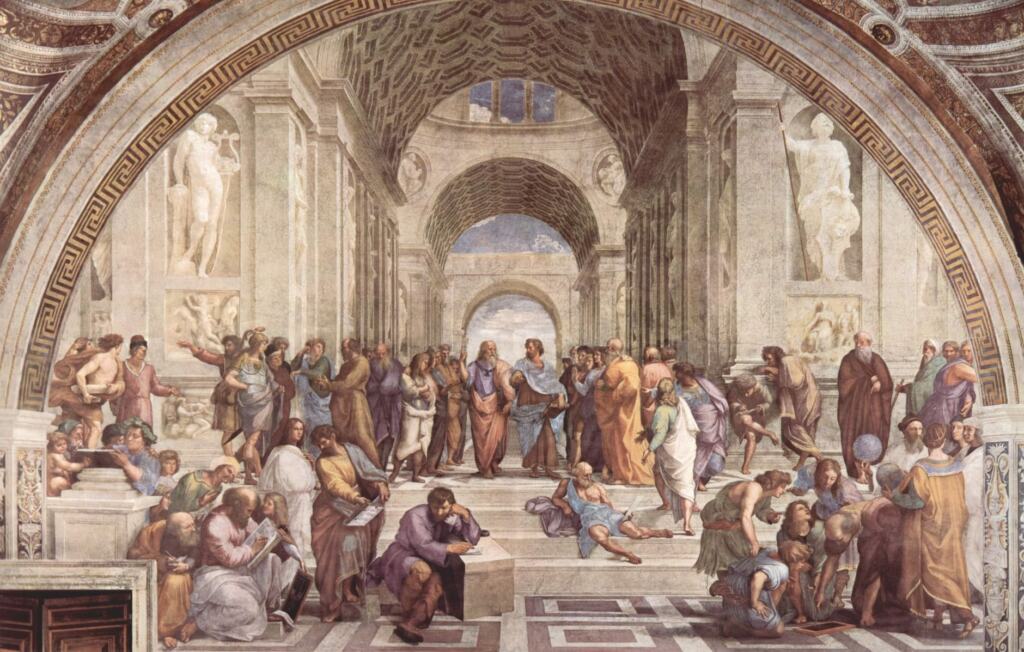
The same guide singles out Raphael’s School of Athens, alongside Michelangelo’s ceiling, as one of the museums’ headline works. Spend your time here on the composition: the fresco gathers robed philosophers and students on steps around central figures within an architectural hall, so it rewards standing back as well as moving closer.
Matching the collections to your time
Not every visitor wants the same second and third stops, so the table below turns the main collections into choices. Use it after you have fixed the Sistine Chapel and Raphael Rooms in your plan.
| If your problem is… | Start with | Planning use |
|---|---|---|
| Only one short slot, and art is the priority | Sistine Chapel, Raphael Rooms, Pinacoteca | The three works and galleries named as highlights for a focused art visit |
| You want more painting after the frescoes | Pinacoteca Vaticana: 18 rooms, 460 paintings | A contained gallery of Italian painting, easier to dip into than the palace rooms |
| You prefer sculpture | Pio Clementino Museum: twelve rooms of Greek and Roman sculpture | The museums’ origin collection, worth choosing over the Pinacoteca if sculpture interests you more |
| You want a single decorated corridor | Gallery of Maps: 120 metres, 40 panels | A walk-through highlight rather than a room to study for long |
| You arrive late on a weekday | Sistine Chapel and Raphael Rooms only | The ticket office closes at 16:00, so a late arrival leaves little time for extras |
Figures come from a visitor guide to the Vatican Museums, with the highlight ranking drawn from CNBC TV18’s museum feature.
Scale explains why choices are needed at all. The complex holds over 70,000 works of art across 54 galleries, and the other guide describes it as 54 museums and their collections. Nobody sees all of it, so a ranked shortlist is the practical way in.
Gallery of Maps, Pinacoteca and sculpture
After the two main sites, three collections compete for the remaining time. Each suits a different reader, so pick by interest rather than trying to see all of them.
Gallery of Maps
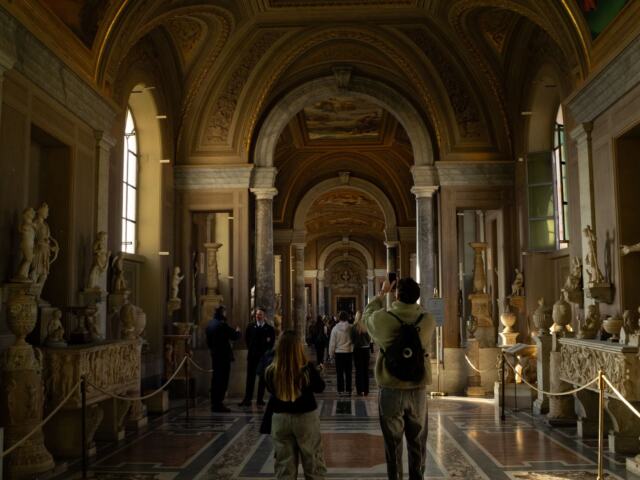
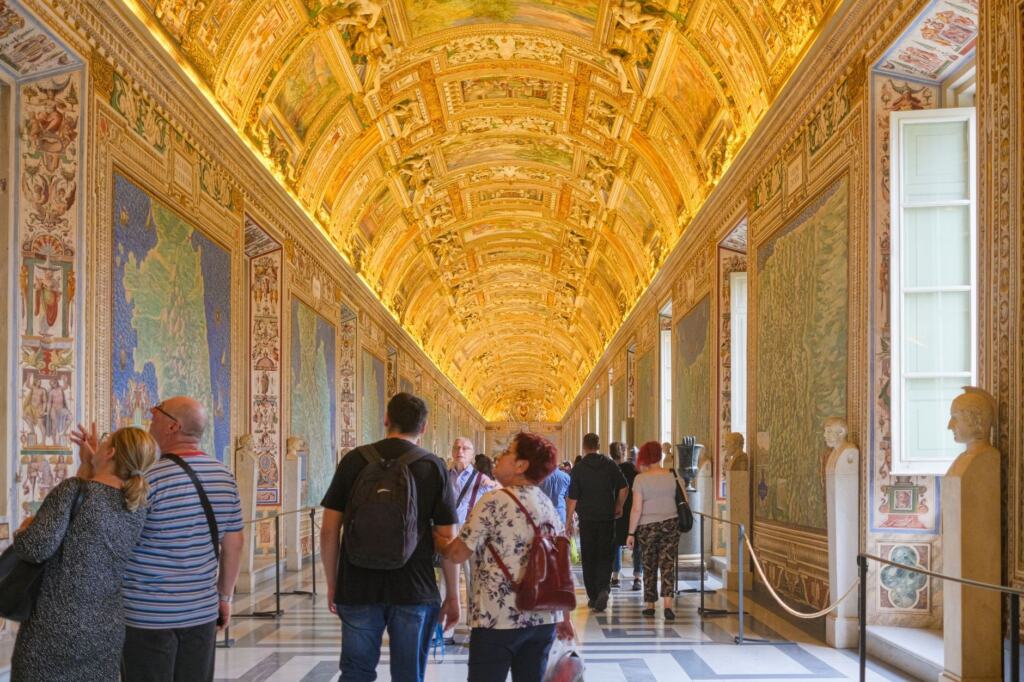
The Gallery of Maps is a 120 metre long gallery made up of 40 panels by Ignazio Danti, who took three years to complete them. It suits visitors who like a long, richly decorated space and want something that can be taken in while walking. Because it is a corridor on the route, it costs little extra time compared with a separate gallery.
Pinacoteca Vaticana
The Pinacoteca has eighteen rooms of Italian painting and a collection of 460 paintings. It is the best choice for someone who wants easel painting after so much fresco. Readers who find palace interiors tiring may find it a calmer change of scale.
Pio Clementino Museum
The Pio Clementino Museum has twelve rooms of Greek and Roman sculpture. It also connects to the museums’ beginnings: the guide says the purchase of the marble sculpture Laocoön and His Sons in 1506 led Pope Julius II to establish the Vatican Museums. Choose it over the Pinacoteca if sculpture appeals more than painting.
Choosing the day and hour
The best time of day is early morning or early afternoon, according to the same visitor guide. The reasoning for avoiding the middle of the day is simple: the long entrance approach and the shared route through the galleries are where waiting builds up, so arriving at the edges of the day gives the most room.
Opening days and hours
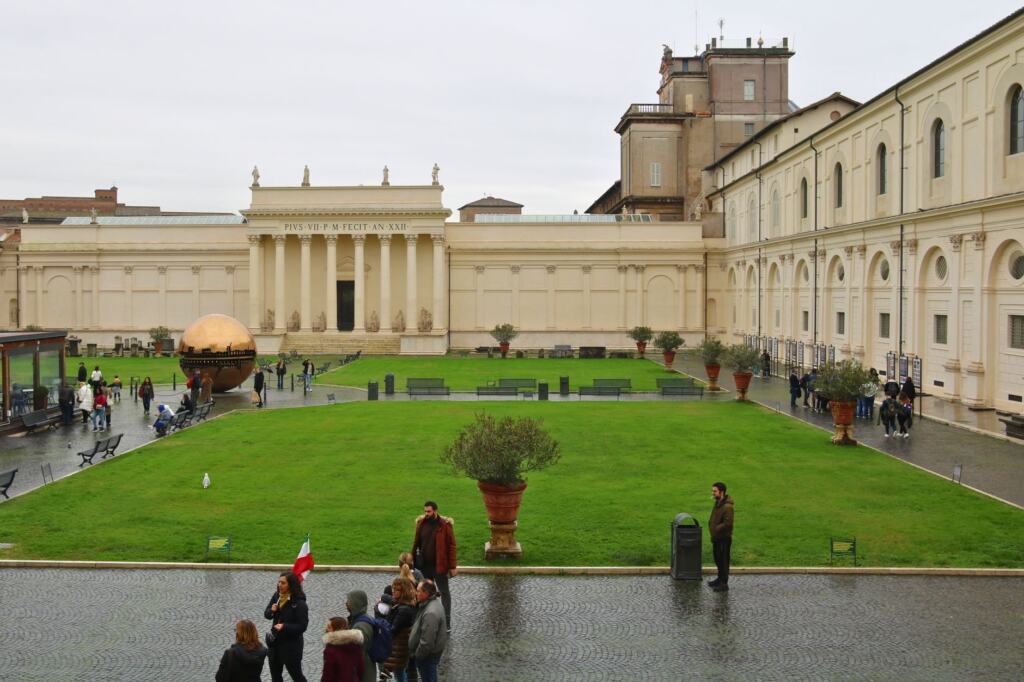
The museums open Monday to Saturday from 09:00 to 18:00, and the ticket office closes at 16:00. They are closed on Sundays except the last Sunday of the month, when they open from 09:00 to 14:00. Because they are open on Mondays, they are a useful fixed point when other venues are closed; the list of rome museums open on monday shows what else is available that day.
The free last Sunday
Entry is free on the last Sunday of each month, from 09:00 to 14:00, with last entry at 12:30. The free day does not apply when the last Sunday falls on Easter Sunday, Christmas Day or other listed feast days. It suits visitors with flexible plans who accept the shorter window; anyone building a careful art-first route may prefer a weekday with the full opening hours.
Pairing with temporary shows
The Vatican is a permanent-collection visit. For a contrasting day built around changing displays, the guide to scuderie del quirinale exhibitions covers one of Rome’s main temporary-exhibition venues.
Booking tickets and avoiding the queue
The practical advice is to purchase tickets online ahead of time rather than queue at the entrance. Booking in advance is the supported way to avoid long lines, and it fixes your entry before you commit to the rest of the day.
What to check when booking
Confirm the current ticket prices and any online booking fee on the Vatican Museums’ official ticketing page before paying, because third-party resellers set their own prices. Choose an entry slot at the start or middle of the afternoon opening period, so the ticket-office cut-off does not interfere with the extras you want.
If you cannot book ahead
Go early on a weekday and put the Sistine Chapel and Raphael Rooms first. Treat everything else as optional, and drop the Gallery of Maps or the Pinacoteca before you drop either of those two highlights.
Frequently asked questions
| Question | Answer |
|---|---|
| Does the museum ticket include St Peter’s Basilica? | No. There are separate tickets for the Vatican Museums and St Peter’s Basilica, and a combination ticket is available for both. |
| Can I take photographs in the Raphael Rooms? | No. Photography is not permitted in the Raphael Rooms, so plan to look rather than shoot there. |
| How long does the visit take? | The visitor guide suggests about 2.5 hours, while CNBC TV18 advises at least two to three hours. The Sistine Chapel and Raphael Rooms fall within that overall time. |
| How did the Vatican Museums begin? | Pope Julius II established them after the 1506 purchase of the marble sculpture Laocoön and His Sons, according to the same visitor guide. |