| Feature | What to know | Planning use |
|---|---|---|
| Museum focus | National Museum of 21st Century Art, devoted to the contemporary | Expect current art and architecture, not antiquities. |
| Permanent collection | Over 400 works, rotated on display | The works on view differ between visits, so a return trip is not a repeat. |
| Temporary exhibition | Always one on show, changing every few months | Check what is on before choosing a date. |
| Architecture archive | Over 60,000 drawings and 75,000 photographs | Shows that architecture is part of the museum’s mission, not only its shell. |
| Audioguide | Free, in multiple languages, with every entrance ticket | No extra rental cost to budget for. |
| Main entrance | Near Villa Borghese park | Aim for this side when planning the arrival. |
| Nearest listed events | Shirin Neshat conversation on 13 Nov 2026 at 6:00 pm; guided tour on 15 Nov 2026 | Build a visit around these if the dates suit. |
Figures come from Devour Tours’ MAXXI overview and the official MAXXI events listing.
MAXXI Rome exhibitions pair a rotating contemporary collection of over 400 works with a temporary show that changes every few months, in a building with interior design by Zaha Hadid. Check the official MAXXI site for current hours and ticket prices before going.
MAXXI is one stop among many in the city, so the guide to art exhibitions in Rome helps place it, and the list of contemporary art museums in rome shows the alternatives nearby in subject. For a classical counterpart on the same trip, see the guide covering galleria borghese tickets.
Phase one: choosing what to see before you go
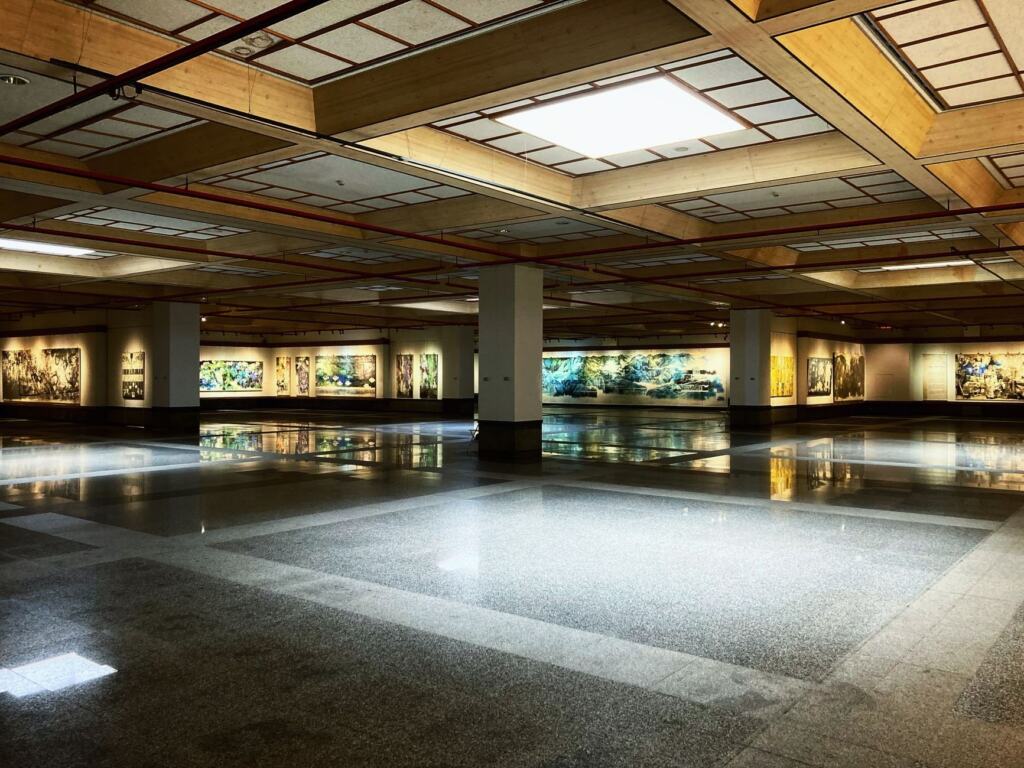
MAXXI was the first national museum in Italy dedicated to looking at the contemporary rather than back into the past, according to Devour Tours. The museum is owned by the Italian Ministry for Culture and managed by a private Foundation. In practice, that means the programme is a living one: a permanent collection of over 400 works is rotated on display, and a temporary exhibition always runs alongside it, changing every few months.
The temporary show is the main thing to research. It sets the tone of a visit and is the part most likely to differ from what a friend saw last year. Visitors with a single free afternoon are better served by choosing the date around that show than by treating MAXXI as an interchangeable stop.
- Check the current programme. Open the official MAXXI site and read which temporary exhibition is on and how long it runs.
- Confirm hours and prices. Opening days and ticket prices are set by the museum and can change, so take them from the official listing on the day you plan the trip.
- Note what the ticket includes. Every entrance ticket comes with a free audioguide in multiple languages, so no separate rental is needed.
- Look at the event calendar. Talks, guided tours and screenings sit alongside the exhibitions; the final section covers the ones currently listed.
Phase two: getting to MAXXI in Flaminio
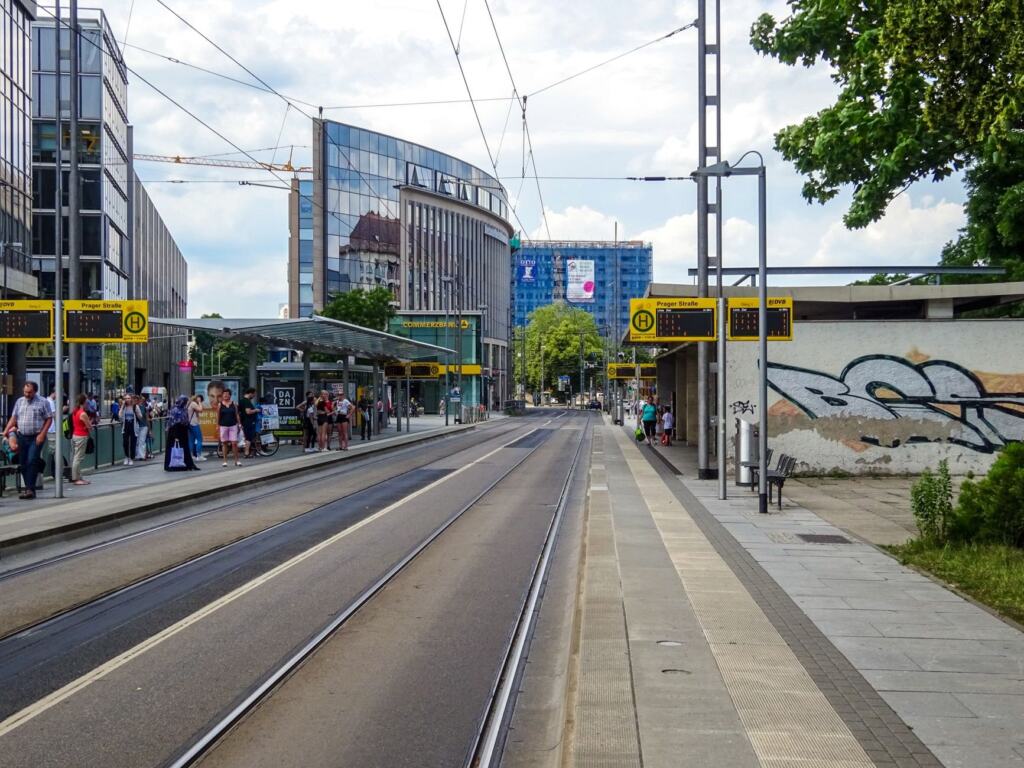
MAXXI sits in the Flaminio area of Rome, and its main entrance is near Villa Borghese park, per Devour Tours. That gives a clear target for any route: head for the park side of the neighbourhood rather than a generic city-centre address.
Step-by-step arrival
- Set the destination. Enter MAXXI, Flaminio, Rome, in a map or journey-planner app.
- Check live public transport. Use the Rome public transport operator’s journey planner or a map app on the day, since tram and bus services in the city are subject to changes and diversions.
- Pick the entrance side. Follow signs toward the main entrance near Villa Borghese park.
- Allow time at the gate. Buy or show your ticket, collect the audioguide and start inside rather than rushing in from the street.
Pairing the visit with the park
The same source notes that the gardens beside the main entrance are worth enjoying. Treat that as a reason to arrive a little early, or to finish with a walk in Villa Borghese park after the galleries. Visitors planning a strict timed entry elsewhere in the city, such as for the Borghese collection, should keep the two schedules separate and book each on its own terms.
Phase three: a route through the Hadid spaces
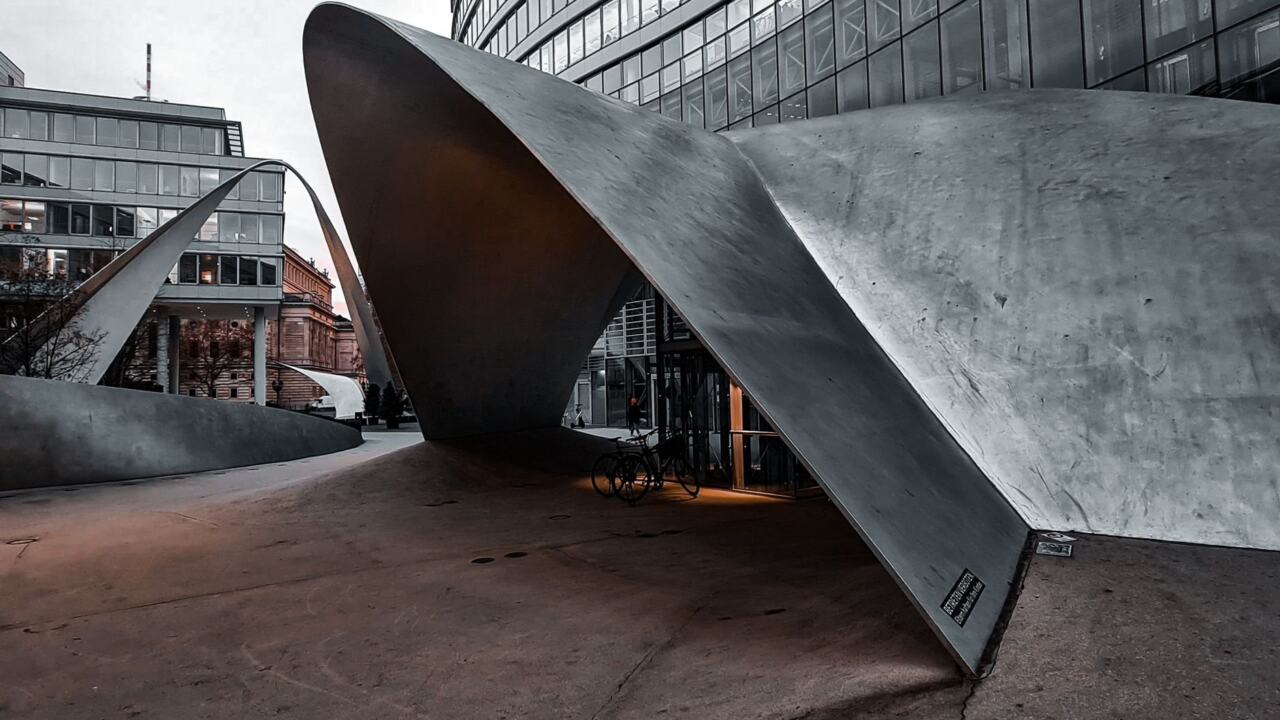
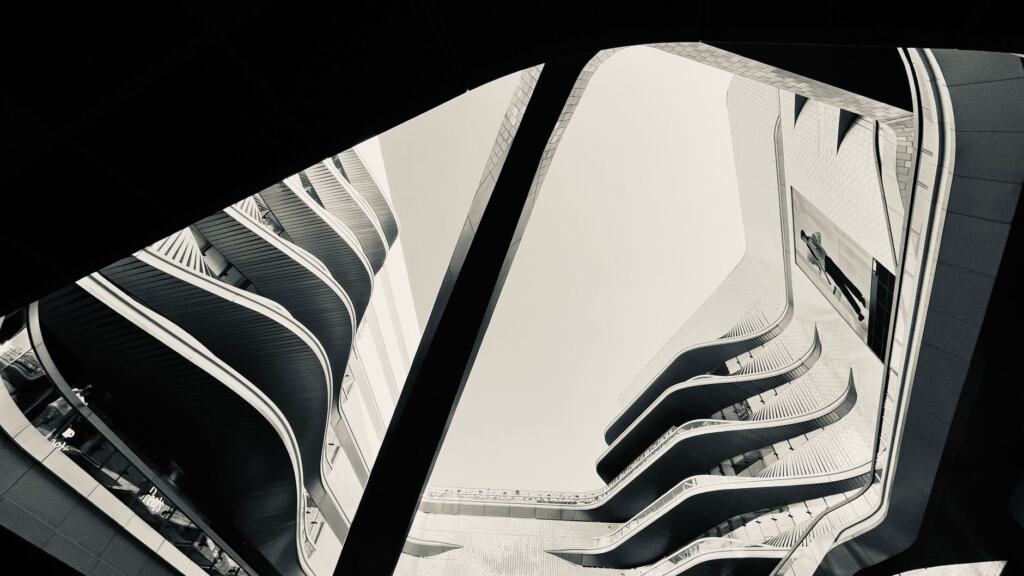
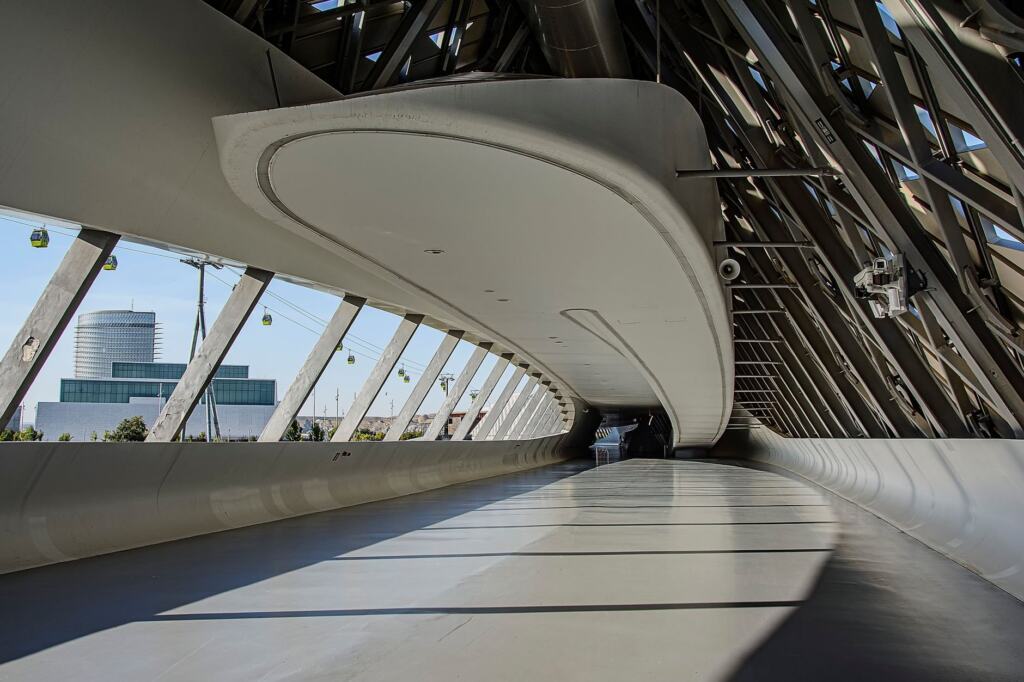
Zaha Hadid, according to Devour Tours, wanted the interior design to blur the lines between interior and exterior. That intent shapes how to walk the building: the spaces between galleries are part of the design, not just a way to reach the art.
- Start with the exterior. Spend a few minutes at the entrance before going in, so the interior reads as a continuation of what you have seen outside.
- Collect the audioguide. It is included with the ticket and available in multiple languages.
- See the temporary exhibition first. It is the part of the programme that will not be there next season, so it gets your freshest attention.
- Move on to the permanent collection. With over 400 works in rotation, a selective pass suits most visitors better than trying to see everything.
- Slow down in the circulation spaces. Look back at how the building opens onto the outside from different points, which is what the design set out to do.
Is the building worth seeing on its own?
Yes, for anyone with an interest in architecture, and the museum itself supports that view. MAXXI Architettura holds a collection of over 60,000 drawings and 75,000 photographs that can be accessed to study, which shows architecture is a core part of the institution and not an afterthought. A visit built around the building alone still works, as long as the temporary exhibition is checked first: the best case for going is a building and a programme seen together.
Phase four: events on the November programme
The official MAXXI events listing shows what is coming up. In date order, two entries stand out for a November visit:
- 13 Nov 2026, 6:00 pm. An auteur conversation with Shirin Neshat.
- 15 Nov 2026. A guided tour of Gordon Matta-Clark’s Not the Work…The Worker.
A past event on the official site, held in 2019 in the Museum Piazza, used a different system: free entrance until full capacity. The lesson for planning is that free events differ in how they handle access, so read each listing’s instructions rather than assuming one rule.
Troubleshooting a MAXXI visit
- The exhibition you read about has gone. Temporary shows change every few months, so look for the current one and treat the permanent collection as a reliable fallback.
- A free event is full. Where reservation is required, the form on the event page is the only route; arriving without a booking is a risk.
- The entrance is hard to find. Walk toward Villa Borghese park, where the main entrance is.
- Short on time. Give priority to the temporary exhibition and the building’s circulation spaces, then leave the permanent collection for a return visit.
Frequently asked questions
Is there always a temporary exhibition at MAXXI?
Yes. Devour Tours reports that a temporary exhibition is always on show and changes every few months.
What does a MAXXI entrance ticket include?
Every entrance ticket includes a free audioguide in multiple languages. Current prices and opening days are published on the official MAXXI site.
Are any MAXXI events free?
Some are. The official listing shows a 2026 auditorium screening with free admission by reservation, and a past Museum Piazza event with free entrance until full capacity.
Where is the main entrance?
The main entrance is near Villa Borghese park, in the Flaminio area of Rome.