Here is how to buy tickets for Rome exhibitions: use the venue’s official ticket page, book online ahead, and check pass benefits first. At the Capitoline Museums and Galleria d’Arte Moderna, advance tickets cannot be refunded or changed.
This guide covers the booking route, fees, free-entry rules and the pass-versus-single-ticket decision. For what is on, start with art exhibitions in Rome, then return here once you have picked a venue.
Before you start
- A named venue and visit day. Ticket rules differ by museum, so choose the exhibition and the date before paying for anything. Anyone planning around a Monday should check rome museums open on monday first.
- The venue’s official ticket page. Rome’s civic museums publish their own prices, fees and conditions, and these are the figures used below.
- A firm date. Advance tickets at the venues covered here are non-refundable and not changeable, so book only when the day is settled.
- Identity document, if claiming a discount. Resident free entry at the Capitoline Museums is granted on presentation of a valid ID at the ticket office.
The expected outcome is a confirmed ticket at the correct price, with no surprise fee and no wasted time in a ticket-counter queue.
Booking an exhibition ticket, step by step
Step 1: Find the official ticket page
Start with the museum’s own ticketing page rather than a search-result listing. The Capitoline Museums ticket page and the Galleria d’Arte Moderna booking page both list prices, fees and conditions in English. Official ticket offices are the reference point for a price, because third-party sellers describe their own products.
Resellers do exist. One listing site advertises Vatican Museums skip-the-line tickets sold through a third-party seller, and lists the Galleria Borghese as skip-the-line with mandatory booking, per that reseller’s attractions page. Use such listings as a prompt to check the venue’s own booking page, not as the final word on price.
Step 2: Decide whether to book ahead
Book ahead for any busy venue. The Capitoline Museums state that online purchase is strongly recommended. At the Galleria d’Arte Moderna, reservations offer the advantage of skipping the queue at the ticket counter, and individual visitors can only reserve by buying the entrance ticket online in advance.
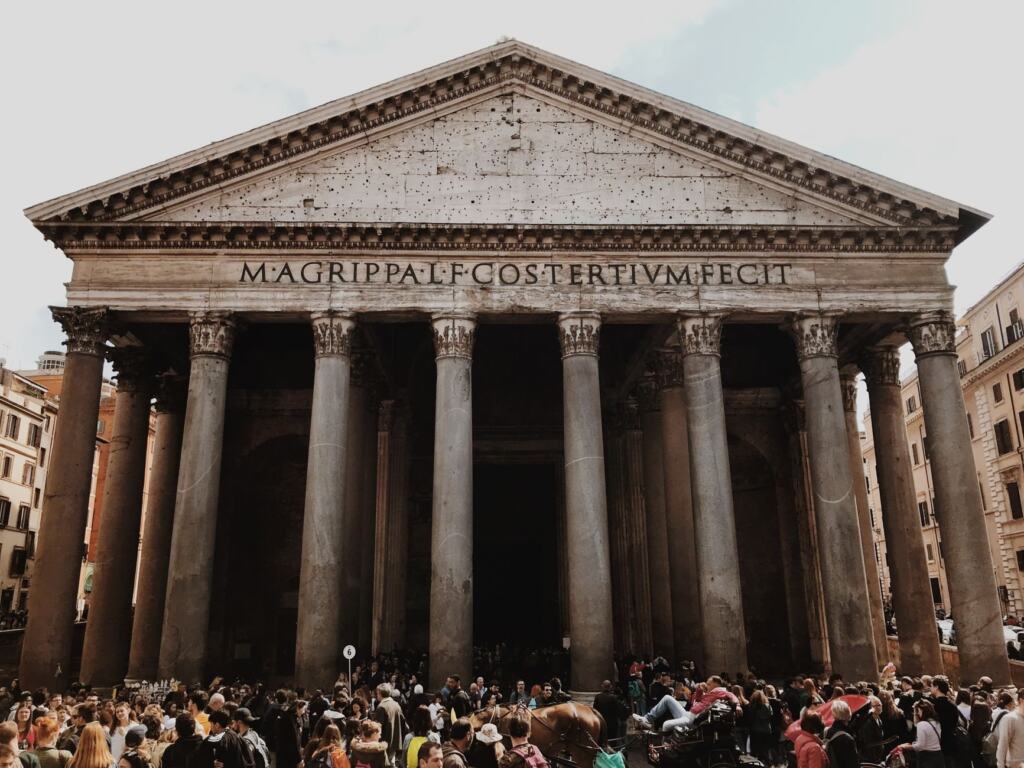
The Galleria Borghese is described by the reseller above as requiring booking, so treat it as a reserve-before-you-travel venue. The Vatican Museums are also sold ahead through third-party skip-the-line listings, which points the same way: secure the entry slot before arriving. Walk-up buying suits only quieter venues and flexible days.

If rain is in the forecast, an indoor plan with a booked slot is easier to protect; rainy day art things to do in rome is a good place to choose one.
Step 3: Compare ticket types and fees
Pick the ticket type that matches what you want to see. The Capitoline Museums list an exhibition ticket at €16,50 full and €11,00 reduced for non-residents (the Angeli exhibition), while the Galleria d’Arte Moderna lists €14,50 full and €10,00 reduced. Both charge a €1 pre-sale fee for tickets bought ahead, and the Capitoline page notes that buying at the counter on the day carries no pre-sale fee.
The fee is small. It buys a reserved entry, so it is rarely a reason to queue instead, except on a flexible day at a quiet venue.
Step 4: Check free entry and reductions
Free entry is narrow, so confirm eligibility before assuming it. The Capitoline Museums admit residents of Rome and the Metropolitan City free on presentation of a valid identity document at the ticket office. At the Galleria d’Arte Moderna, free admission is limited to primary and secondary school pupils, disabled people with their carer, and MIC card owners.
Visitors from elsewhere should pay the reduced or full rate listed for non-residents rather than expecting a free day. Each venue sets its own free-entry rules, so read the venue’s page rather than relying on a general rule from another museum.
Step 5: Weigh a pass against single tickets
Decide this after you have your list of venues, not before. The test is simple: count how many of the places on your list the pass actually covers, and whether it gives free or only reduced entry. The comparison is set out in the next section.
Step 6: Keep the ticket ready for entry
Have the confirmation accessible on arrival. The Capitoline Museums offer a Print @ Home option for printing the purchase receipt or the ticket for access control. Carry the ID that supports any resident or reduced rate, since entry staff check it at the ticket office.
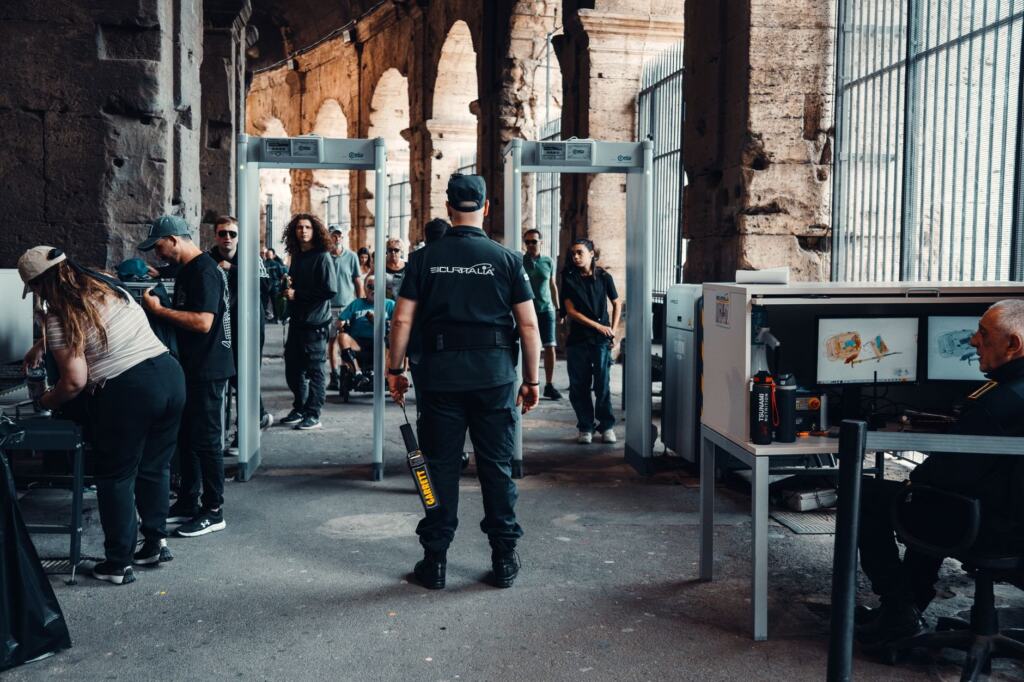
Expect an entry screening at busy sites, so allow time at the door and carry only what you need.
Roma Pass, Omnia card or single tickets
A pass is worth buying only when it covers most of the venues you will visit. The Capitoline Museums state that Roma Pass holders get free and/or reduced admission, so the pass helps at that venue but not necessarily at every other. The Omnia card and the Roma Pass differ mainly in which venues each includes, so compare the official venue list of each pass against your own itinerary before paying.
For a Capitoline-focused visit, the museum’s own products may suit better than a city pass. The Capitolini Card is valid for 7 days and covers the Musei Capitolini and Centrale Montemartini. The Super Combo costs €23,50 full or €19,50 concession and includes exhibitions, according to the Capitoline ticketing page.
- One or two exhibitions: single official tickets keep things simple and avoid paying for coverage you will not use.
- A Capitoline-heavy plan: the Capitolini Card or Super Combo bundles the venue’s own sites and exhibitions.
- Many different museums: a city pass is worth checking, but only against its official coverage list.
Final checkpoint before paying
Run through this table once the date, venue and ticket type are chosen.
| Ticket | Price | Pre-sale fee | Advance ticket rule | Planning use |
|---|---|---|---|---|
| Capitoline Museums exhibition ticket (non-residents, Angeli exhibition) | €16,50 full; €11,00 reduced | €1 online; none for same-day counter purchase | Non-refundable, not changeable | Book only once the date is fixed. |
| Capitoline Super Combo | €23,50 full; €19,50 concession | Not specified | Check the ticket page | Suits a visit that includes exhibitions. |
| Galleria d’Arte Moderna | €14,50 full; €10,00 reduced | €1 for online or counter pre-sale; none same day | Non-refundable, not changeable | Online pre-sale is the way to reserve as an individual. |
Figures come from the Capitoline Museums and Galleria d’Arte Moderna official ticket pages.
If any row does not match your plan, wait. Because advance tickets cannot be changed, a pause costs less than a wrong booking.
Frequently asked questions
Can I get a refund or change the date of a ticket?
Not for advance tickets at the Capitoline Museums or the Galleria d’Arte Moderna, which both state that pre-purchased tickets are non-refundable and not changeable. Confirm the date before paying.
Can I still buy a ticket at the door?
Yes, at counters that sell on the day, and no pre-sale fee applies to same-day purchases at the two venues above. Individual visitors at the Galleria d’Arte Moderna can only reserve through online pre-sale, though.
Do groups need to book?
At the Capitoline Museums, groups of 5 to 25 may enter only with a free reservation through 060608 and at least 5 tickets bought in advance.