| Situation | Where | What costs nothing, and the condition | Planning use |
|---|---|---|---|
| Free any day | Churches with art | Many churches are free to enter during opening hours, and some hold world-famous art. | The most reliable fallback when a museum is closed or too busy. |
| Free any day | Municipal sites listed as free year-round | Four sites, including Museo delle Mura and Casa Museo Alberto Moravia. Opening hours and access rules can change. | Check current hours before travelling. |
| Free on set dates | State museums such as Galleria Borghese and Palazzo Barberini | Free on Sunday 2 August 2026 at participating museums. Galleria Borghese is often reservation-only regardless of free dates. | Arrive early and confirm whether booking is required. |
| Free on set dates | Municipal museums | Musei Capitolini (some exhibition areas excluded), Centrale Montemartini and Galleria d’Arte Moderna are among the listed civic sites. | Free entry does not mean every exhibition area is free. |
| Free to see, paid to enter | Colosseum and Trevi Fountain | The Colosseum exterior is free to view and the interior is ticketed. The Trevi basin needs a €2 ticket for non-residents from 9:00am to 10:00pm, while upper viewing areas are free. | Treat these as sights, not free exhibitions. |
Figures are drawn from the InItaly guide to the free Sunday on 2 August 2026 and the Rome free-things guide.
Free art exhibitions in Rome range from church paintings that cost nothing to museum days that are free only on set dates, and special exhibitions are often excluded.
For the wider picture of what is on in the city, start with the guide to art exhibitions in Rome. The sections below sort each option by the situation it suits, so it is clear what truly costs nothing and what only looks free.
Free any day of the year
Two kinds of place never depend on a calendar: churches and a short list of municipal sites. They suit anyone without a fixed schedule, and anyone who wants art without checking dates.
Churches with famous paintings
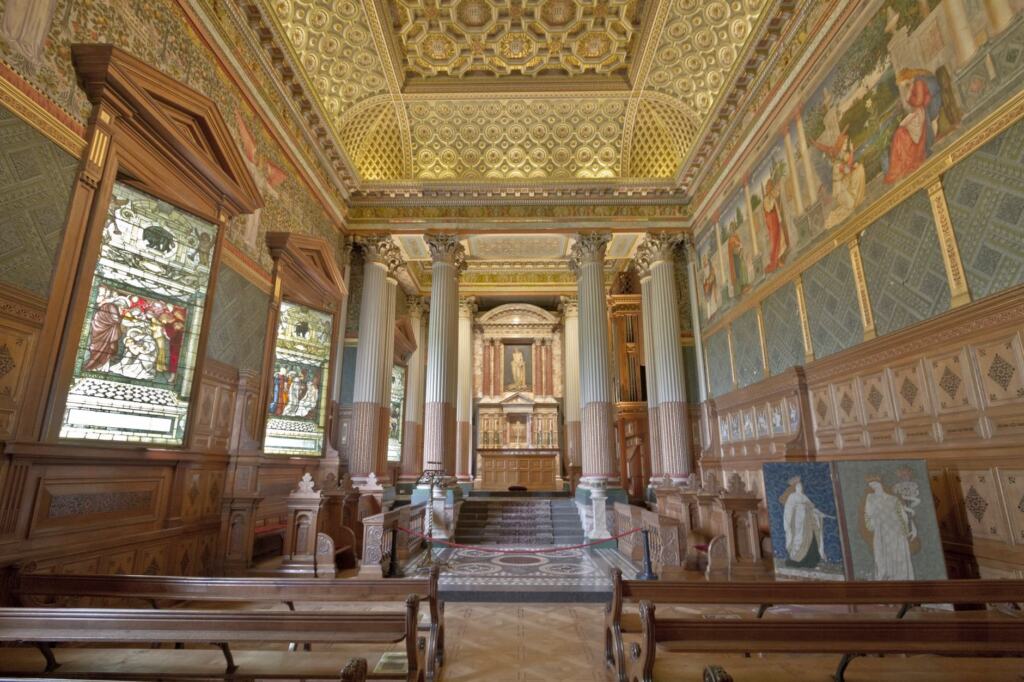
Churches are the clearest answer to which places let visitors see famous paintings without a ticket. The Rome free-things guide notes that many churches are free to enter during opening hours and that some hold world-famous art. Italy Segreta counts over 930 churches in Rome, and says not every one holds a masterpiece, so a short list of named stops works better than wandering in at random.
- San Luigi dei Francesi: the Contarelli Chapel holds three Caravaggio paintings on the life of Saint Matthew. It suits a visitor who wants one concentrated stop.
- Santa Maria del Popolo: in the Cerasi Chapel, two Caravaggio works flank Annibale Carracci’s central altarpiece. It suits those who like to compare two painters in one room.
- Santa Maria della Vittoria: home to Bernini’s Ecstasy of Saint Teresa, a sculpture rather than a painting. Italy Segreta describes the setting as free of jostling crowds.
Many Roman churches stay open late, according to the same source, which makes an evening visit a practical option before dinner. These are working churches, so the limit is opening hours, not price.
Municipal sites listed as free year-round
The Rome free-things guide lists four municipal sites as free year-round, including Museo delle Mura and Casa Museo Alberto Moravia. They are small, so they suit a short visit rather than a full day. The guide adds that opening hours and access rules can change, so confirm hours on the day you plan to go.
These sites belong to the municipal museum system, which is also the group that takes part in the monthly free-entry day described next.
Free only on set dates
The free first Sunday is the main free-entry day at Rome museums. It is a date-based concession, not a permanent price, and it comes with conditions that change what a visitor can actually see.
State museums on a free Sunday
On Sunday 2 August 2026, InItaly reports free admission at numerous museums in Rome and its province. Notable venues listed include the Galleria Borghese and the Galleria Nazionale d’Arte Antica – Palazzo Barberini. For art lovers these are the headline names, which is also why they fill quickly.
Free does not always mean walk-in. The Rome free-things guide says some venues are reservation-only regardless of free dates, giving Galleria Borghese as an example. Anyone building a day around that gallery should check its booking rules before relying on the free date.
Municipal museums and the exhibition catch
Roma Capitale civic sites are also part of first-Sunday free entry. The listed sites include Musei Capitolini, Centrale Montemartini and Galleria d’Arte Moderna. For the Capitolini, the guide notes that some exhibition areas are excluded.
That exclusion is the key distinction for anyone searching for free exhibitions. The same guide states that special exhibitions are often excluded from the free Sunday, so permanent collections can be free while a headline show still carries a ticket. When a particular temporary show is the goal, check its own entry terms, and see the guide to upcoming art exhibitions in rome to find which shows are coming.
- Choose the free Sunday if the permanent collection is the goal and a flexible, early start is possible.
- Skip it if one specific temporary show is the reason for the trip, since it may be excluded.
- Wait for another day if a reservation-only venue is the priority.
Free to see, but not free to enter
Some Roman sights look free from the street and charge at the door. They matter here because they blur the line between what costs nothing and what does not.
The Colosseum exterior and the Arch of Constantine are free to view, but entry inside the Colosseum is ticketed. The Trevi Fountain follows a similar pattern in 2026: the basin requires a €2 ticket for tourists and non-residents between 9:00am and 10:00pm, while the upper viewing areas are free, according to the Rome free-things guide. Neither is an exhibition, but both show how a free view and a paid visit can sit side by side.
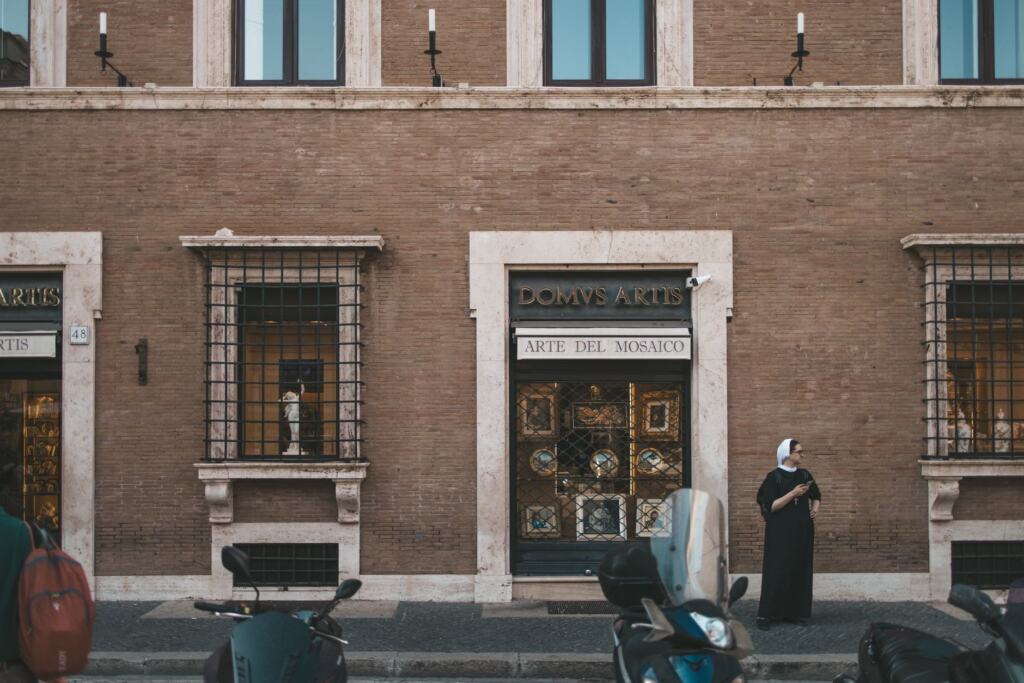
The same logic applies to galleries and shops with street-facing displays. Looking from the pavement is a way to sample what a space shows before deciding whether to step inside.
Crowds, timed tickets and booking
Free exhibitions are often crowded, and the crowding follows the price. The Rome free-things guide warns to expect bigger crowds and longer queues at popular sites, and notes that capacity limits apply even where entry is free.
What to expect on a free day
On free dates many venues issue a free timed ticket on the day. The guide describes arriving and collecting or printing a ticket at the entrance, subject to capacity. InItaly gives the practical advice to arrive early to avoid queues and to check whether advance booking is required for venues with limited access.
- Popular museums: aim for opening time, and expect a timed slot rather than open entry.
- Quieter sites: smaller municipal sites and churches carry less of this pressure, so they suit visitors who dislike queues.
- Limited-access venues: check booking first, as it can be needed even when the ticket price is zero.
Galleries and association spaces
Smaller galleries and cultural associations are where listings matter most, because their programmes change and no single free-entry rule covers them. The most dependable route is the official listings. InItaly points readers to the Ministry website and to local information offices for participating venues and booking rules, and the Rome free-things guide recommends starting with the listings for State museums and Roma Capitale museums.
For commercial and independent spaces, the guide to the best art galleries in rome helps decide which are worth a trip. Before going to any of them, confirm on the venue’s own page whether entry is open or by registration.
Frequently asked questions
| Question | Answer |
|---|---|
| Is there a free-entry day at Rome museums? | Yes. Free first-Sunday entry applies at participating museums, and InItaly lists Sunday 2 August 2026 as one such date. |
| Does a Roma Pass skip the queue on a free Sunday? | Usually not. The Rome free-things guide explains that entry is already free and managed by capacity and timed tickets. |
| Is every church in Rome worth visiting for art? | No. Italy Segreta counts over 930 churches and says not every one holds a masterpiece, so pick named stops. |
| Which free option is the least likely to need booking? | Churches during opening hours, since the free-things guide describes many as free to enter. Museums on free dates may use timed tickets or reservations. |